Menu
Same-Day Service Available!
Hypoallergenic cleaning is more than just a trend. It is a smarter, safer way to clean your home while reducing exposure to allergens, bacteria, and harsh chemicals. Unlike traditional methods, hypoallergenic cleaning focuses on creating a healthier environment by removing irritants without introducing new ones.
At its core, hypoallergenic cleaning uses non-toxic, residue-free solutions that are safe for both people and pets. These methods are designed to clean deeply while avoiding soaps, fragrances, and harsh chemicals that can trigger allergies or sensitivities.
One of the key components of hypoallergenic cleaning is the use of carpet-safe sanitizer and upholstery disinfection techniques. These processes help eliminate bacteria and contaminants from soft surfaces like carpets and furniture. In addition, many services use EPA-registered disinfectants that are effective while still being safe for indoor use.
Another important element is allergen reduction. Hypoallergenic cleaning targets common irritants such as:
By removing these particles, hypoallergenic cleaning helps improve indoor air quality and create a more comfortable living space.
In addition, modern hypoallergenic cleaning methods often include fast-drying sanitizing service techniques. This reduces moisture buildup, which helps prevent mold and bacteria growth.
Overall, hypoallergenic cleaning is designed to provide a deeper, safer clean that supports both cleanliness and health.
While traditional cleaning methods may seem effective, they often leave behind more than just a clean surface. In many cases, these methods introduce new problems that can affect your home environment.
One of the most common issues is the use of harsh chemicals. Many cleaning products contain strong ingredients that leave behind residue. Over time, this residue can attract dirt and contribute to poor indoor air quality. This is where hypoallergenic cleaning provides a clear advantage.
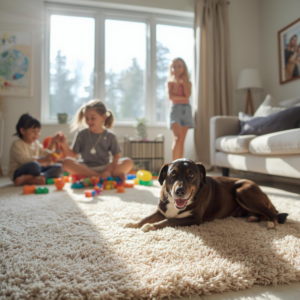
Another concern is incomplete cleaning. Standard cleaning methods often focus on surface-level results, leaving deeper contaminants untouched. This means allergens and bacteria can remain in carpets, upholstery, and other soft surfaces.
Traditional cleaning can also contribute to moisture-related problems. Excess water from improper cleaning techniques can become trapped in fabrics and flooring. This creates an environment where mold and bacteria can grow, which works against the goal of maintaining a clean home.
Here are some common limitations of traditional cleaning:
In contrast, hypoallergenic cleaning focuses on fabric sanitizer and soft surface cleaning that removes contaminants without leaving residue behind. This approach is especially beneficial for families with children, pets, or individuals with allergies.
By understanding these differences, homeowners can see why hypoallergenic cleaning is becoming the preferred choice for maintaining a healthier home.
Choosing hypoallergenic cleaning offers a wide range of benefits that go beyond basic cleanliness. It is designed to improve both the appearance of your home and the quality of your indoor environment.
One of the most important benefits is improved air quality. By removing allergens and pollutants, hypoallergenic cleaning helps create a fresher and more comfortable space.
Additional benefits include:
Another major advantage is the use of green sanitizer solutions. These environmentally friendly products provide effective cleaning without introducing harmful chemicals into your home.
Hypoallergenic cleaning also includes antimicrobial surface treatment and, in some cases, a long-lasting protective coating. These treatments help prevent bacteria and contaminants from returning quickly, extending the benefits of cleaning.
In addition, hypoallergenic cleaning works well across multiple surfaces. From carpet cleaning and upholstery cleaning to rug cleaning and more, it provides a consistent and thorough approach to home care.
For homeowners looking to maintain a cleaner and healthier environment, hypoallergenic cleaning offers a reliable and effective solution.
Creating a healthier home starts with using the right cleaning process. While professional hypoallergenic cleaning delivers the deepest results, following a proper step-by-step routine at home can help reduce allergens between service visits.
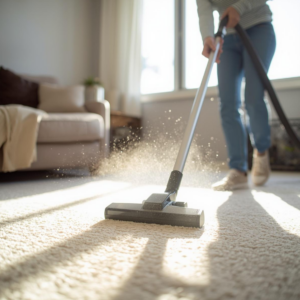
Start by vacuuming carpets, rugs, and upholstery using a high-quality vacuum. This step helps remove loose dust, pet dander, and pollutants before deeper hypoallergenic cleaning begins.
Apply a non-toxic and residue-free cleaner designed for hypoallergenic cleaning. Avoid products with harsh chemicals, soaps, or fragrances that may leave residue behind.
Focus on areas with heavy use, such as living rooms and entryways. Pre-treatment helps loosen dirt and supports better allergen reduction.
Use fabric sanitizer and soft surface cleaning techniques for carpets, upholstery, and rugs. This step is essential for dust mite and pollutant removal.
Using a carpet-safe sanitizer helps eliminate bacteria and contaminants without damaging fibers. This step enhances the effectiveness of hypoallergenic cleaning.
Ensure proper airflow so surfaces dry quickly. Fast-drying sanitizing service methods help prevent moisture buildup and reduce the risk of mold.
Consider adding a long-lasting protective coating or antimicrobial surface treatment. This helps maintain cleanliness and reduces future buildup.
By following these steps, homeowners can support better indoor air quality and extend the benefits of professional hypoallergenic cleaning.
Even when trying to maintain a clean home, certain habits can reduce the effectiveness of hypoallergenic cleaning. Avoiding these mistakes helps ensure better results and protects your living environment.
Here are common mistakes to watch out for:
Professional hypoallergenic cleaning services avoid these issues by using controlled methods, specialized equipment, and safe solutions. This ensures a deeper and more reliable clean.
By avoiding these mistakes, homeowners can maintain a healthier environment and improve the effectiveness of their cleaning routine.
While regular maintenance helps, there are times when professional hypoallergenic cleaning is the best solution. Knowing when to call experts can make a big difference in your home’s cleanliness and comfort.
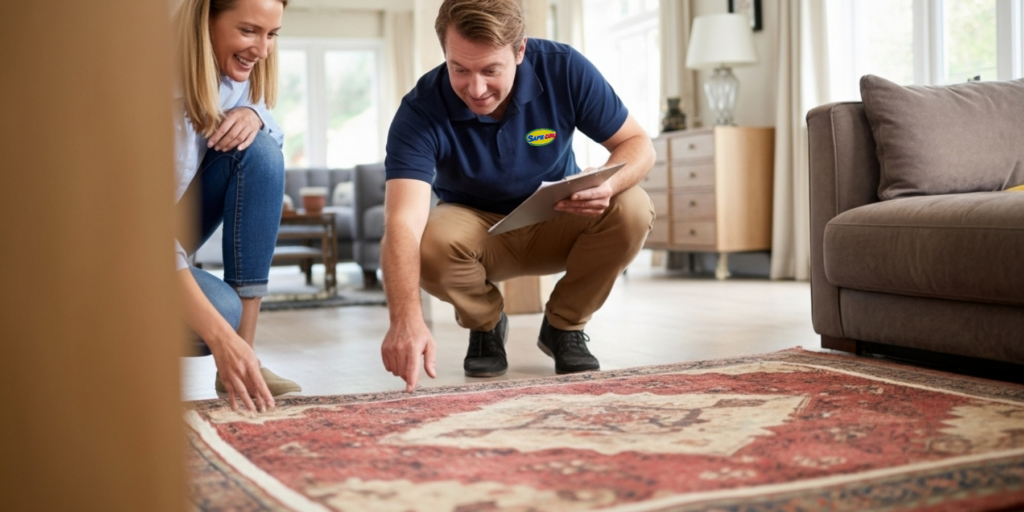
Here are signs that professional hypoallergenic cleaning is needed:
Professional hypoallergenic cleaning services provide a deeper level of care. Using EPA-registered disinfectants and professional sanitizer treatment, they remove contaminants that standard cleaning cannot reach.
In addition, professional services offer:
Another key advantage is efficiency. Professional hypoallergenic cleaning uses advanced equipment and techniques that deliver faster and more consistent results compared to DIY methods.
For homeowners searching for a safer and more effective way to clean, professional hypoallergenic cleaning offers a reliable solution that supports long-term health and comfort.
When considering hypoallergenic cleaning, many homeowners want to understand the cost and what they are actually paying for. While pricing can vary, the true value of hypoallergenic cleaning goes beyond just a clean surface. It is an investment in a healthier home environment.
Hypoallergenic cleaning cost depends on several factors, especially when deep cleaning and sanitizing treatments are involved. Because this type of cleaning focuses on allergen reduction and safe solutions, it often includes more advanced steps than traditional cleaning.
Here are the main factors that influence pricing:
In addition, services like carpet-safe sanitizer applications and professional sanitizer treatment can impact the overall cost. These steps provide deeper cleaning and longer-lasting results.
Many homeowners look for affordable hypoallergenic cleaning options. While budget is important, choosing the lowest price may not always deliver the best outcome. Lower-quality services may leave residue behind or fail to fully remove allergens.
Instead, focus on professional hypoallergenic cleaning that uses EPA-registered disinfectants and green sanitizer solutions. These services provide better long-term value by improving indoor air quality and maintaining a safer home.
Requesting a quote from a local hypoallergenic cleaning provider is a great way to compare options and choose the best service for your needs.
Choosing the right provider is essential for achieving the full benefits of hypoallergenic cleaning. With many options available, it is important to focus on quality, safety, and reliability.
Start by searching for hypoallergenic cleaning near you to find local providers. However, it is important to evaluate more than just convenience.
Here are key factors to consider:
It is also helpful to choose a company that offers fast-drying sanitizing service methods. This reduces downtime and helps prevent moisture-related issues.
In addition, look for providers that offer customized cleaning for different surfaces, including carpet cleaning, upholstery cleaning, and rug cleaning. This ensures consistent results throughout your home.
By choosing a professional hypoallergenic cleaning service, you can feel confident that your home is being cleaned safely and effectively.
While professional hypoallergenic cleaning is essential, maintaining your home between services helps extend the results and keep allergens under control.
Here are practical tips to support long-term hypoallergenic cleaning:
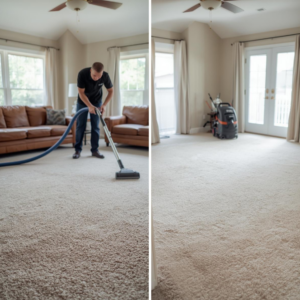
In addition, managing pet-related factors can make a big difference. Regular grooming and cleaning help reduce dander and improve overall cleanliness.
Consistent hypoallergenic cleaning also supports dust mite and pollutant removal, helping maintain better indoor air quality over time.
By combining daily habits with professional hypoallergenic cleaning, you can create a home that feels cleaner, fresher, and more comfortable year-round.
Hypoallergenic cleaning is a cleaning method that removes allergens, bacteria, and pollutants using non-toxic, residue-free solutions that are safe for people and pets.
Hypoallergenic cleaning removes dust mites, pet dander, and airborne pollutants from surfaces, helping reduce allergens and improve air quality.
Yes, hypoallergenic cleaning uses safe, non-toxic solutions that are designed to be safe for kids and pets while still providing effective cleaning.
Hypoallergenic cleaning can be used on carpets, upholstery, rugs, and other soft surfaces through fabric sanitizer and soft surface cleaning methods.
Most homes benefit from hypoallergenic cleaning every 6 to 12 months, while homes with pets or allergies may need more frequent service.
Yes, hypoallergenic cleaning uses carpet-safe sanitizer and EPA-registered disinfectants to help eliminate bacteria and contaminants.
Yes, hypoallergenic cleaning focuses on allergen reduction and dust mite removal, which can help reduce allergy symptoms.
Fast-drying sanitizing service methods typically allow surfaces to dry within a few hours.
Unlike traditional cleaning, hypoallergenic cleaning removes contaminants without leaving residue or introducing harsh chemicals.
You should call professionals when allergens persist, odors remain, or when deep cleaning and sanitizer treatment are needed.
Hypoallergenic cleaning is more than just a cleaning method. It is a smarter way to care for your home while reducing allergens, bacteria, and unwanted buildup. By focusing on safe, non-toxic solutions and deep cleaning techniques, it creates a healthier environment for everyday living.
While regular maintenance helps, professional hypoallergenic cleaning provides the deeper clean needed to fully remove hidden contaminants. With consistent care, your home can feel fresher, cleaner, and more comfortable for you and your family.